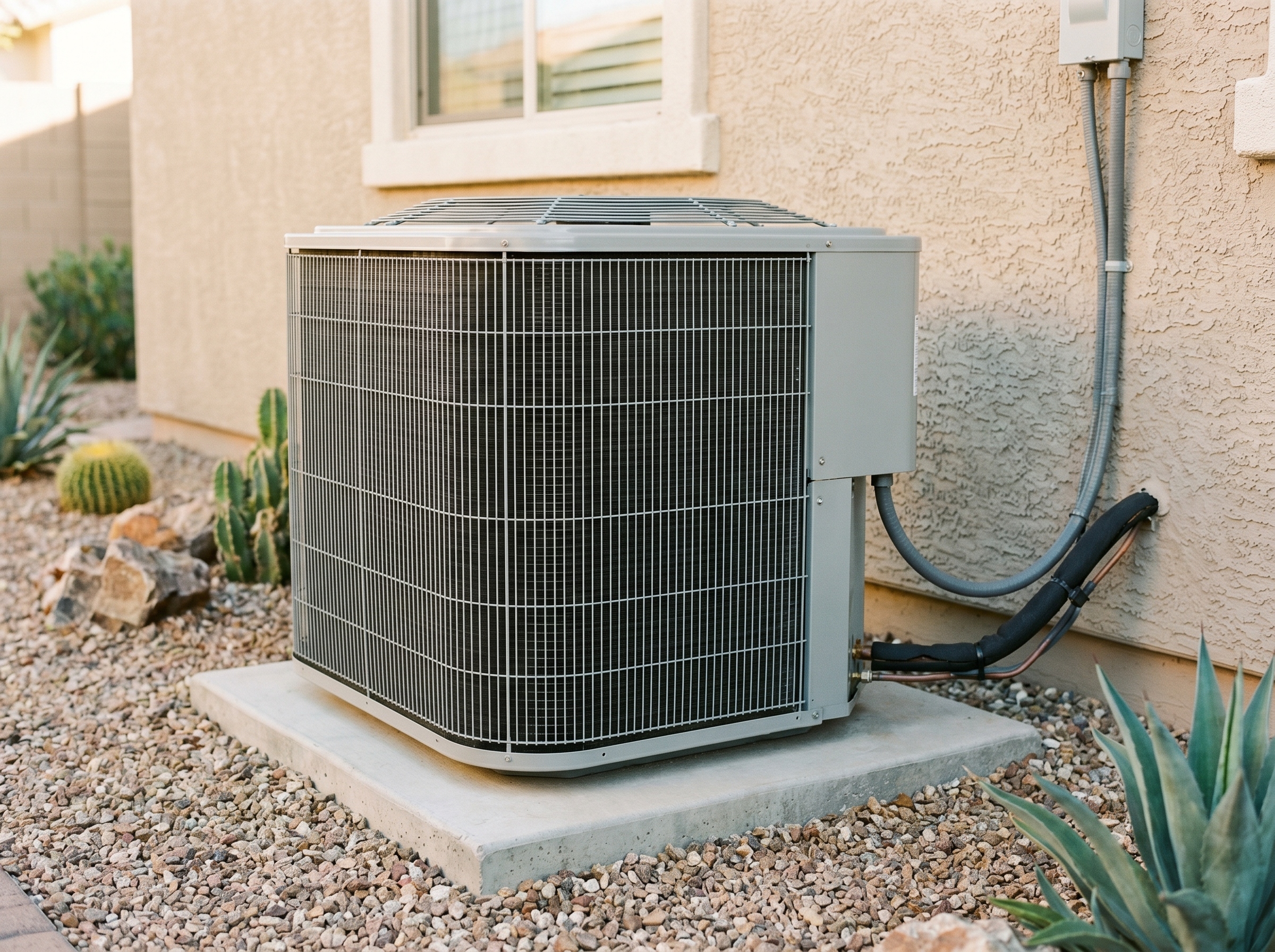
Replacing an air conditioner in Arizona is a decision shaped by climate, home design, and long-term value. This guide is for Phoenix and Arizona homeowners who want to make informed decisions about replacing their air conditioning system. With Arizona’s extreme heat and unique climate challenges, selecting the right AC unit is crucial for comfort, efficiency, and long-term savings. Here’s what matters most before you commit to a new system
Quick Answer: What to Look for in a New AC Unit in Arizona
Before replacing your AC unit in Arizona, evaluate your current unit’s performance, your home’s size and layout, cooling needs driven by Phoenix’s extreme heat, energy efficiency ratings, ductwork condition, and the quality of the installation team. System age is one factor to consider, but condition, repair history, cooling performance, efficiency, and overall reliability should all be evaluated before deciding whether replacement makes sense.
A well-sized, properly installed air conditioner—whether a traditional split system or a ductless mini split—matters more than simply buying the largest or highest-rated unit available. Proper sizing and professional installation help support reliable performance, efficiency, and comfort.
Wahl Air Conditioning Inc is a family-owned HVAC company serving the Phoenix West Valley since 1957, providing AC installation and replacement, repair, and maintenance. If you’re weighing your options, that page is the best place to start.
When to Consider a New AC Unit in Arizona
There’s no universal age or dollar threshold that tells every homeowner to replace. Instead, watch for patterns that make continued repair impractical:
- Declining cooling performance-rooms never reaching the set temperature, longer cycle times, or the house struggling to stay comfortable during June through September heat waves
- Frequent breakdowns, which indicate your AC may need replacement, especially if you’ve called for refrigerant leaks or electrical fixes across multiple recent summers
- Skyrocketing energy bills despite similar usage, which suggest an aging AC unit losing efficiency
- Uneven cooling across rooms, which can signal AC issues with airflow, duct design, or failing equipment
- Strange noises from the AC, which often indicate mechanical problems in the compressor, fan motor, or blower
Older systems installed in the early 2000s may also lack current safety and efficiency features. Neglected maintenance can lead to decreased efficiency and system failure well before a unit reaches its expected lifespan. Before deciding, schedule an evaluation to compare the cost of ongoing AC repair against investing in a new system.
Why Arizona’s Climate Changes How You Choose an AC System
Arizona’s long, hot cooling season places significant demand on air conditioning systems. When choosing a new AC unit for a Phoenix home, cooling capacity, system sizing, efficiency, airflow, ductwork, and installation quality all matter.
Phoenix heat, dust, and extended cooling demand can make equipment condition and system performance especially important. A properly selected and installed system should be designed around the home’s actual cooling needs rather than simply replacing existing equipment with the same capacity.
Reliable cooling is especially important during Phoenix’s extreme summer heat, making professional air conditioning services in Phoenix, system performance, and reliability important considerations when choosing a new AC unit.
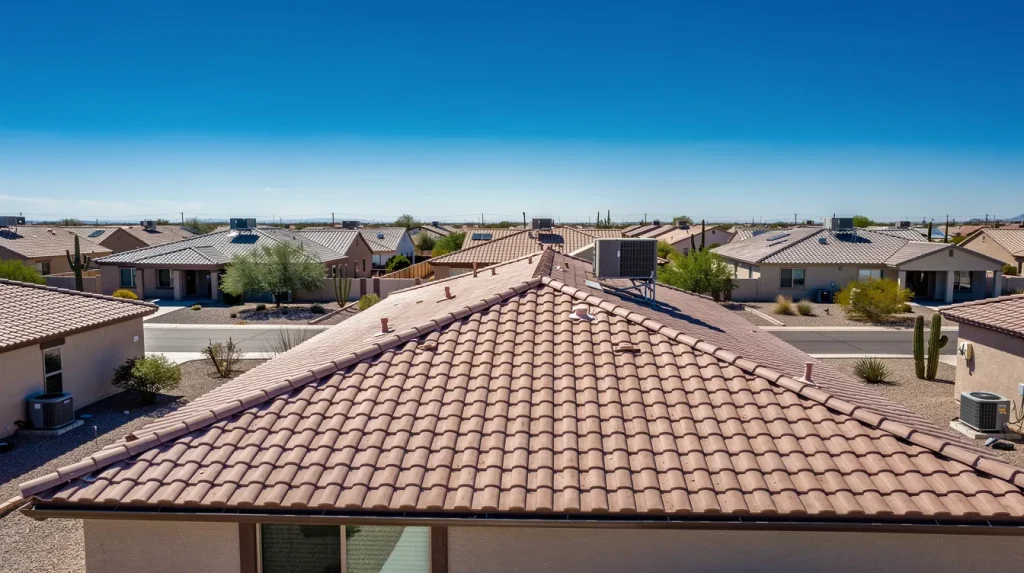
Choosing the Right Size AC Unit for Your Phoenix Home
The right size AC unit depends on far more than square footage. A professional load calculation helps determine appropriate system capacity by considering factors such as your home’s size, layout, insulation, windows, and cooling demand.
- Existing ductwork, airflow paths, and return air locations in typical Phoenix block or stucco homes affect the required capacity and equipment type
- Load calculations help determine the appropriate cooling capacity, while the property, existing HVAC setup, ductwork, comfort needs, and budget help guide equipment selection
- Simply replacing an old unit with the same tonnage isn’t always correct if you’ve remodeled, added insulation, or changed windows since the original installation
Wahl evaluates the property and performs load calculations to help determine the appropriate system size for a new residential HVAC installation, and homes with additions or different comfort needs may sometimes be better served by two separate systems rather than one replacement matched to the old layout.
Why Bigger Isn’t Automatically Better (and Smaller Isn’t Either)
Both oversized and undersized air conditioners cause problems in Arizona, even when the equipment is brand new.
Oversized systems short cycle-cooling quickly, shutting off, then restarting-causing poor humidity control, more wear on the compressor because they turn on and off too frequently, and uneven temperatures across rooms. Undersized systems run almost nonstop on hot afternoons, struggle to maintain the thermostat setpoint, and wear out faster under constant high-load operation.
Properly matched capacity, good duct design, and correct airflow deliver better comfort than raw tonnage. If you’ve upgraded insulation, windows, or shading, your home may actually need less cooling capacity than before. Ask any prospective contractor how they determined the recommended size rather than accepting a fixed “same as before” estimate without proper analysis.
Energy Efficiency, Operating Costs, and Energy Efficiency Ratings to Know
Efficiency ratings such as SEER2 can help homeowners compare air conditioning equipment, and in Arizona many homeowners compare SEER2 levels in the 17 to 19 range, but real-world energy use also depends on system sizing, installation quality, ductwork, insulation, equipment condition, thermostat settings, and how the system is used.
Features that help manage energy use and improve comfort:
- A variable speed system and multi-stage systems can adjust output as cooling demand changes, and some variable-speed heat pumps can operate at 30% capacity for steadier comfort and efficient operation compared with equipment that operates at only one output level.
- Two-stage AC systems have high and low cooling settings, reducing the constant on-off cycle of single-stage equipment.
- A new thermostat with smart scheduling helps control when and how hard the system runs.
A properly sized, higher-efficiency AC system can use less energy than older or inefficient equipment and lower overall energy costs and greenhouse gas emissions, but actual savings vary by home, system condition, installation quality, ductwork, insulation, thermostat settings, and usage. Wahl can help homeowners compare replacement options with comfort, performance, efficiency, and long-term energy use in mind.
Learn more about how system design affects bills on the energy savings page.
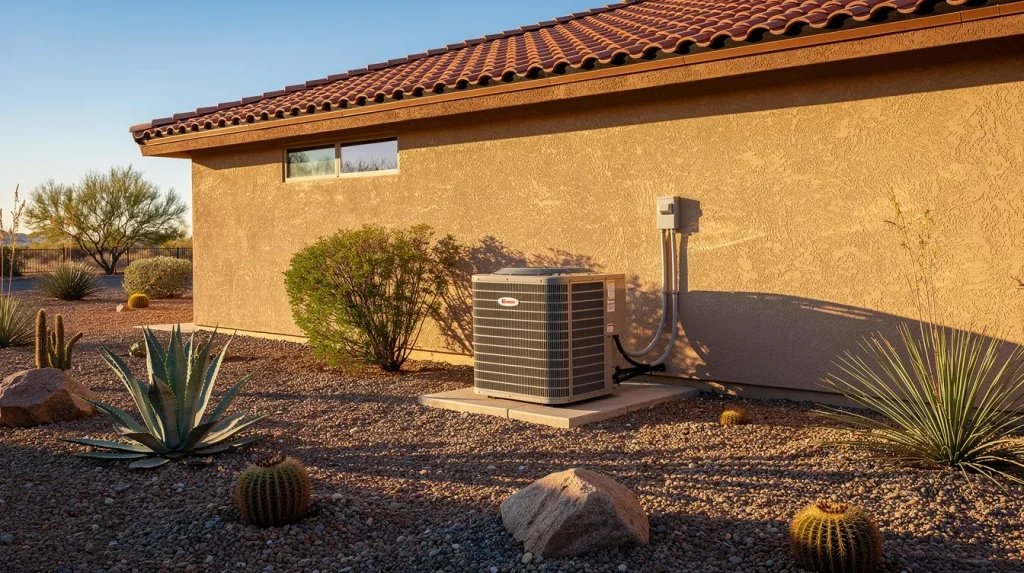
Utility incentives may be available for qualifying high-efficiency systems depending on the homeowner’s utility provider, equipment, and current program requirements.
Don’t Forget the Ductwork: Why Your New AC Unit Depends on It
A new air conditioning system can’t deliver full comfort or efficiency if it’s connected to leaky, restricted, or poorly designed ductwork. Ductwork inspection and sealing are crucial to ensure efficiency in any AC replacement in Arizona.
Common duct issues can include crushed or disconnected ductwork, poorly sealed joints, restrictions, and inadequate return-air paths. These leaks lose cold air into attics and wall cavities, forcing the unit to run longer. Packaged and split-system equipment still depends on clean, durable coils, and corrosion-resistant coils matter in Arizona because dust and UV exposure can accelerate wear. Ductless mini-splits bypass ductwork entirely, improving efficiency for additions, garage conversions, or problem rooms where running new ducts isn’t practical.
Any AC replacement estimate should include at least a basic ductwork inspection and recommendations for sealing or repairs.
What Happens During Professional AC Replacement in Phoenix
AC replacement is a multi-step job, not just swapping equipment. Here’s what the process typically includes:
- Evaluation of the existing system’s performance, airflow, duct condition, and the home’s size and layout
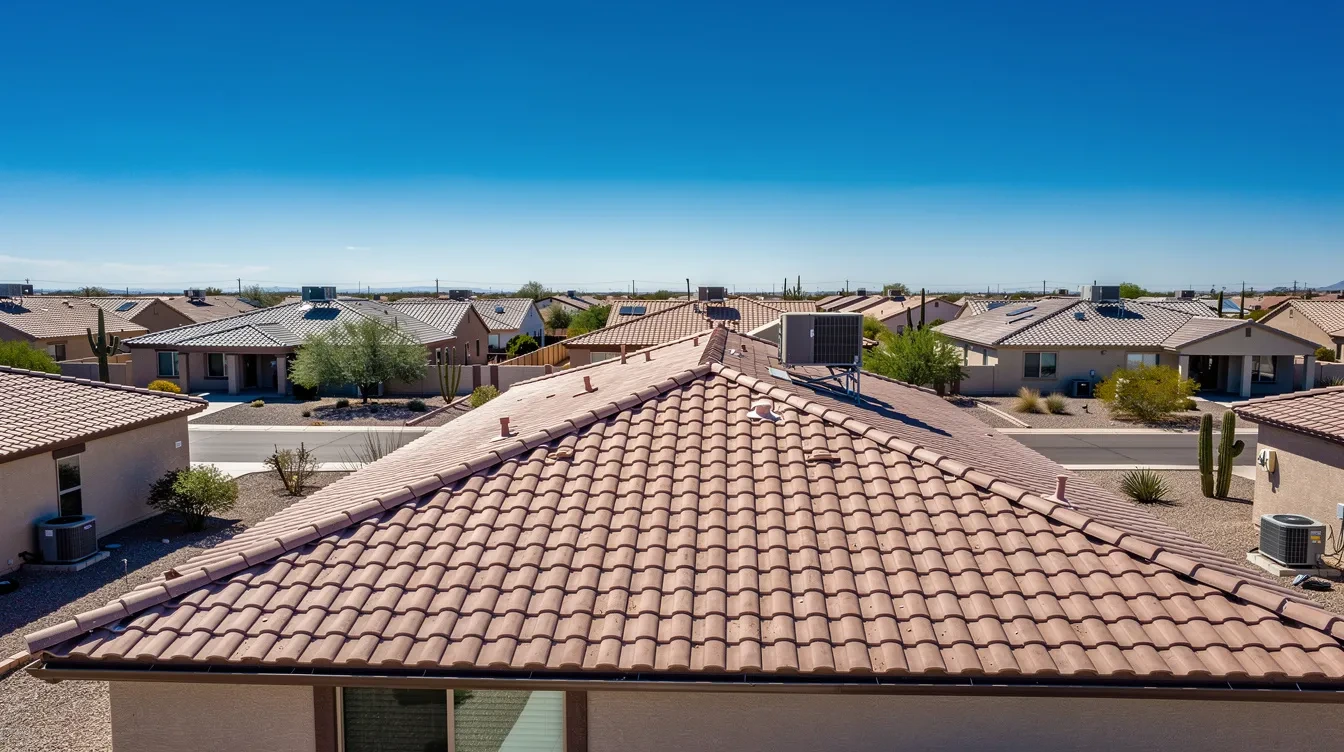
- Equipment selection based on the property’s cooling requirements, system capacity, efficiency goals, existing HVAC setup, and budget; some Arizona homes use packaged rooftop units, which place all major components in one box on the roof
- Removal of existing equipment and preparation for the new system
- Installation with applicable permitting, secure mounting, proper line set routing, drain lines, electrical connections, and thermostat setup
- Startup, testing, and calibration-verifying refrigerant charge, temperature split, and airflow
- Cleanup and homeowner walkthrough covering thermostat operation and maintenance basics
Regular maintenance can help support efficient operation, identify developing concerns, and reduce the risk of unexpected breakdowns, and enrolling in an HVAC maintenance plan in Phoenix can further support long-term performance. When you’re ready, schedule an in-home estimate.
Key Questions to Ask Before Choosing a New AC Unit
Asking the right questions helps you compare contractors and avoid surprises:
- “How did you determine the right size for my home?” Did you perform load calculations or just match the old system, and did you complete an in-home consultation before recommending size and equipment?
- “What efficiency levels or system types do you recommend, and why?” Are there separate systems or mini split options for additions, and are those recommendations based on comfort zones rather than upselling?
- “Does the estimate include ductwork inspection or repairs?”
- “What’s included in removal and disposal of my old air conditioner?”
- “How will this new system’s energy efficiency ratings affect my energy use compared to my current unit?”
- “Is financing available?” and “Do you provide maintenance to keep the new system running reliably?”
Request a detailed estimate that clearly explains the proposed equipment, installation scope, included work, and expected costs before moving forward.
Financing a New AC System in Arizona
A new AC unit is a significant investment, especially for larger Phoenix homes, so many homeowners rely on Wahl’s broader air conditioning services in Phoenix to plan repair, replacement, and maintenance over time. Wahl Air Conditioning offers financing for qualifying AC installations and replacements, subject to credit approval and lender terms. Financing can allow homeowners to replace an aging or unreliable system sooner rather than continuing to pay for repeated repairs and climbing energy bills.
Why Professional Installation Matters More Than the Brand Name
Even a high-efficiency, premium air conditioner will underperform if it’s not properly sized, installed, and set up for Arizona’s climate, with poor installation or aging equipment leading to higher bills and breakdowns. Professional installation affects airflow, refrigerant charge, drain line performance, noise level, and comfort in every room. Correct thermostat placement, proper filter sizing, and attention to line-set insulation are critical for long-term reliability.
An experienced local company understands Phoenix and West Valley construction styles, attic conditions, typical duct layouts, and the demands of commercial HVAC systems in Phoenix. Wahl Air Conditioning has served surrounding communities since 1957, committed to long-term performance over shortcuts.
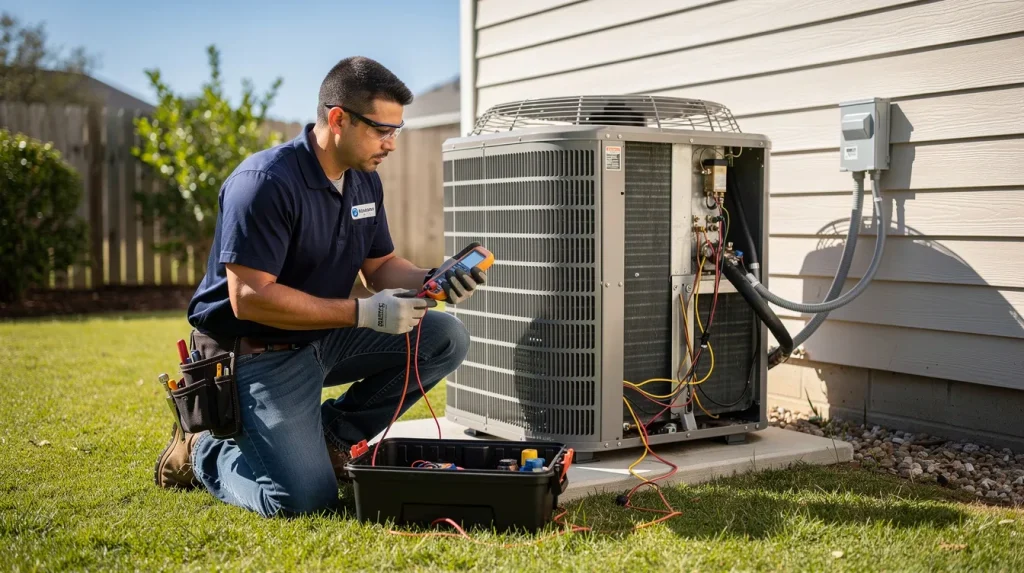
FAQ: New AC Units in Arizona and Phoenix Homes
How do I know when I need a new AC unit in Arizona?
Look for consistent poor cooling, frequent breakdowns, uneven temperatures across rooms, rising energy bills, or reliability and safety concerns that persist despite maintenance. In Arizona’s extreme climate, many systems last around 10-15 years, but replacement decisions should still consider condition, cooling performance, efficiency, reliability, and past repair history.
How do I choose the right AC unit for a Phoenix home?
Match the system type and capacity to your home’s size, layout, insulation, and cooling needs. Factor in energy efficiency, ductwork condition, and choose a reliable local installer experienced with Arizona conditions.
Does AC system size matter?
Yes. System size strongly affects comfort, efficiency, and equipment life. Oversized units short cycle and waste energy. Undersized units run nonstop and wear out faster in Phoenix heat.
Should ductwork be inspected when replacing an AC unit?
Absolutely. Leaks and restrictions in ductwork can undermine a new system’s performance. Include duct inspection in any AC replacement plan.
Can a new AC unit lower energy use?
A new, properly sized, higher-efficiency air conditioner that is correctly installed and maintained can reduce energy use compared to a failing or very old system. Actual results vary by home and usage.
What is included in AC replacement?
Evaluation, equipment selection, removal of the old unit, applicable permitting, installation, startup, testing, calibration, homeowner orientation, and cleanup.
Does Wahl Air offer financing for new AC systems?
Yes. Wahl offers financing for qualifying installations, subject to credit approval and lender terms, which can also support professional heating installation in Phoenix when you’re planning whole-home comfort. Visit the financing page for current details.
How much does a new AC unit cost in AZ?
The cost of a new AC unit in Arizona varies significantly based on system size, efficiency, equipment type, ductwork condition, installation requirements, and the home itself. Angi’s 2026 Phoenix data puts central AC replacement at about $5,091 to $8,837, with an average around $6,892. These are general Phoenix market figures, not Wahl Air prices. The most accurate way to determine your cost is to have the property evaluated and receive a detailed replacement estimate. Angi
What is the $5,000 rule for AC units?
The $5,000 rule is a commonly used rule of thumb, not an HVAC law. Multiply the age of the AC system by the estimated repair cost. If the result exceeds $5,000, replacement may deserve stronger consideration; if it is below $5,000, repair may make more sense. However, system condition, repair history, efficiency, cooling performance, and the cost of replacement should also be considered. The rule should be treated as a starting point rather than an automatic repair-or-replace decision. CBS News
Is it legally required to have AC in Arizona?
There is not a blanket Arizona law requiring every privately owned home to have an air-conditioning system. Rental housing is different. Arizona law requires landlords to maintain air-conditioning or cooling systems that are supplied or required to be supplied, and state law identifies inadequate heating or cooling as a condition that can materially affect occupants’ health and safety. Local building and housing codes can add further requirements. Arizona Legislature
What is the best AC unit for Arizona?
There is no single AC unit that is best for every Arizona home. The right system depends on the home’s size and layout, cooling load, insulation, ductwork, efficiency goals, existing HVAC setup, and budget. In Phoenix’s climate, proper system sizing and professional installation are particularly important because even high-efficiency equipment can perform poorly if it is oversized, undersized, or connected to problematic ductwork. Compare appropriate system capacity, efficiency ratings such as SEER2, equipment features, and installation quality rather than choosing solely by brand or the highest efficiency rating.
Does Wahl Air install AC systems in Phoenix and the West Valley?
Yes. Wahl serves Phoenix and West Valley communities including Peoria, Glendale, Surprise, and Sun City. Contact Wahl or visit the AC installation page to schedule an evaluation.
Plan Your Next AC Unit in Arizona with Confidence
The best new AC unit for a Phoenix home is one that’s correctly sized, professionally installed, energy-efficient, and supported by sound ductwork and regular maintenance. Don’t wait for a total breakdown during peak summer—plan your replacement in cooler months or at the first signs of consistent problems so you have time to compare your options and avoid a rushed replacement decision.
Wahl also offers AC maintenance and tune-ups to help extend the life of existing systems and keep new installations running at their best.
Ready for an honest evaluation? Request a free AC replacement estimate or reach out directly. Since 1957, Wahl Air Conditioning has helped Phoenix and West Valley homeowners determine when to repair, when to replace, and how to choose the right air conditioner for Arizona homes.